About the Institute
The Walter P. Carter Institute for Leadership and Service carries forward the legacy of a civil rights leader whose organizing helped challenge segregation in Baltimore and across Maryland.
Our mission
The Institute strengthens communities by developing leaders and opening lasting paths to opportunity.
It starts from a belief in the knowledge, talent and experience already present in Baltimore's neighborhoods, and builds on Walter P. Carter's commitment to educating, organizing and mobilizing people to lead where they live.
Civic education
Making government and public decision-making easier to understand and to take part in.
Leadership development
Preparing residents to lead in neighborhoods, nonprofit organizations and public institutions.
Partnerships
Connecting residents and organizations with the resources, relationships and opportunities their work needs.
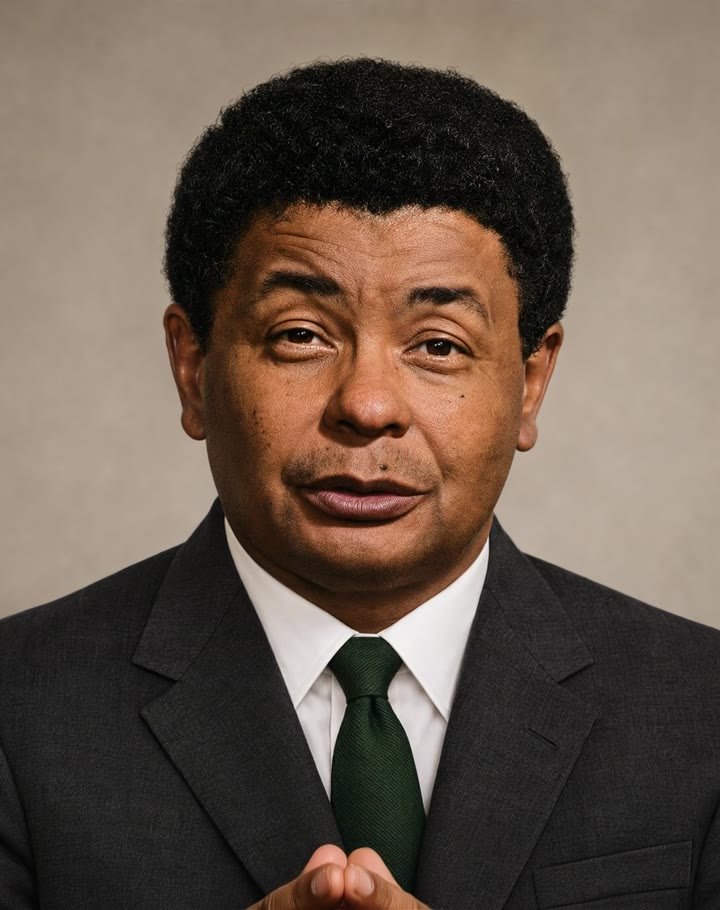
A welcome in his name
Making a special guest appearance from the great beyond to tell you what the Institute is all about, please welcome Walter P. Carter.
Read the transcript
Welcome to the Walter P. Carter Institute for Leadership and Service.
We marched, rode and organized because the doors of our city should be open to everyone. We challenged segregation in public places. We fought for fair housing. And we understood that the work reached into every neighborhood, where families need opportunity and a voice in the decisions shaping their lives.
That work belongs to you now. Learn how decisions are made. Ask questions. Stand beside your neighbors. When you see a door that needs opening, bring others with you.
Lead. Serve. Build.
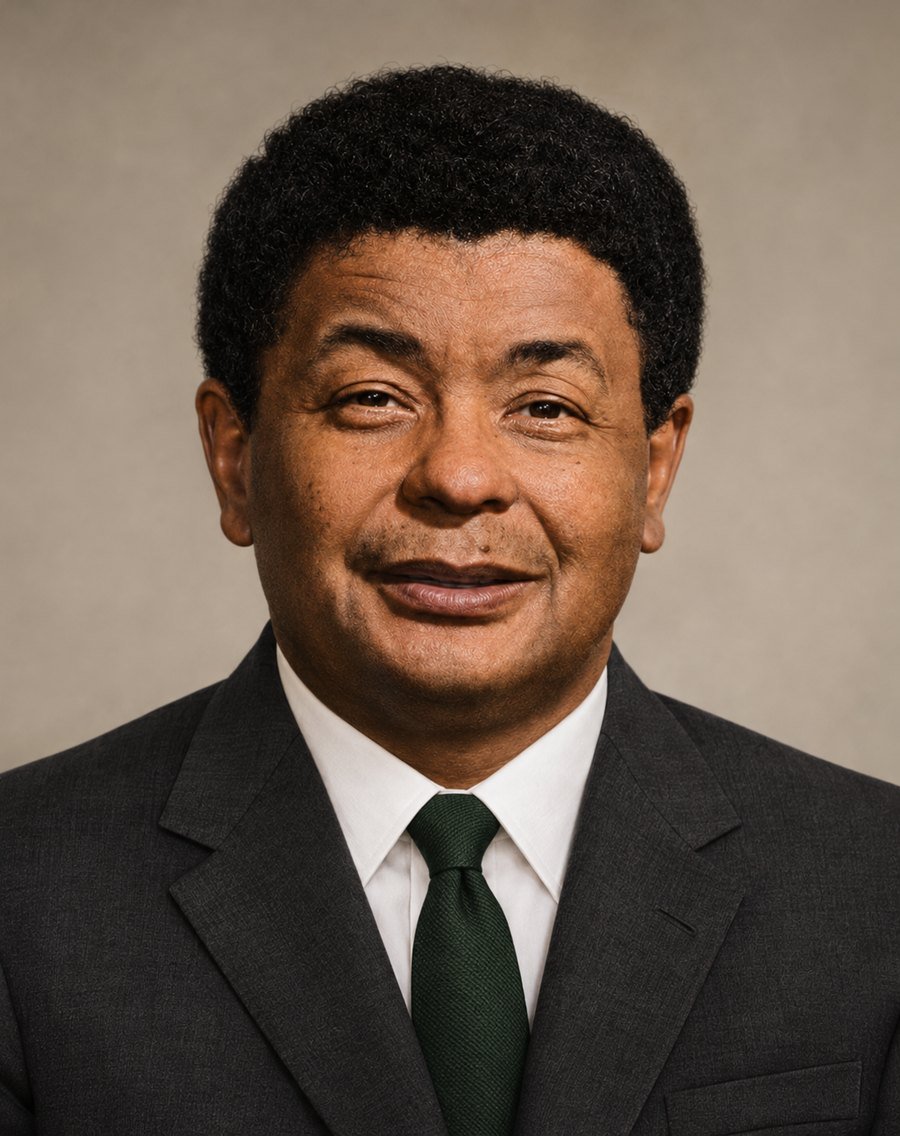
Walter P. Carter, 1923–1971
A social worker and World War II veteran, Walter Percival Carter led Baltimore's civil rights movement through its most active years.
Early life
He was born on April 29, 1923, in Monroe, North Carolina, the seventh of nine children of Carrie P. and Walter Carter Sr. At North Carolina A&T he worked on voter registration and joined the debate team. He later earned a master's degree in social work from Howard University.
Organizing Maryland
From 1960 to 1963 he chaired the Baltimore chapter of the Congress of Racial Equality. He helped organize Freedom Rides to Maryland's Eastern Shore and demonstrations at Gwynn Oak Park and at restaurants along Route 40. In 1963 he served as Maryland coordinator for the March on Washington.
The fight for fair housing
In 1965 he coordinated a march of more than 3,000 people against housing segregation. A year later he co-founded Activists for Fair Housing with five other CORE members. He led protests against segregated housing and exploitative lending in Baltimore through the 1960s.
1968
Mayor Thomas D'Alesandro III appointed him to lead the city's Community Action Agency. On September 30, 1968, the City Council voted 10 to 8 against confirming him. Twelve of the 21 members of the Community Action Committee resigned in protest.
His death and memory
He died on July 31, 1971, at 48, while giving a report to the Black United Front at Union Baptist Church. The day before, he had won a court case over his right to picket. He was survived by his wife, Zerita Joy Richardson Carter, and their daughters, Judith Lynn and Jill Priscilla.
Baltimore has since given his name to a hospital, an elementary school, a day care center, a recreation center and a college library.
Source: "Walter P. Carter," Wikipedia. The family should confirm these details.